
Industrial Machinery & Manufacturing
How Does Professional Craft Beer Equipment Increase Production Efficiency?
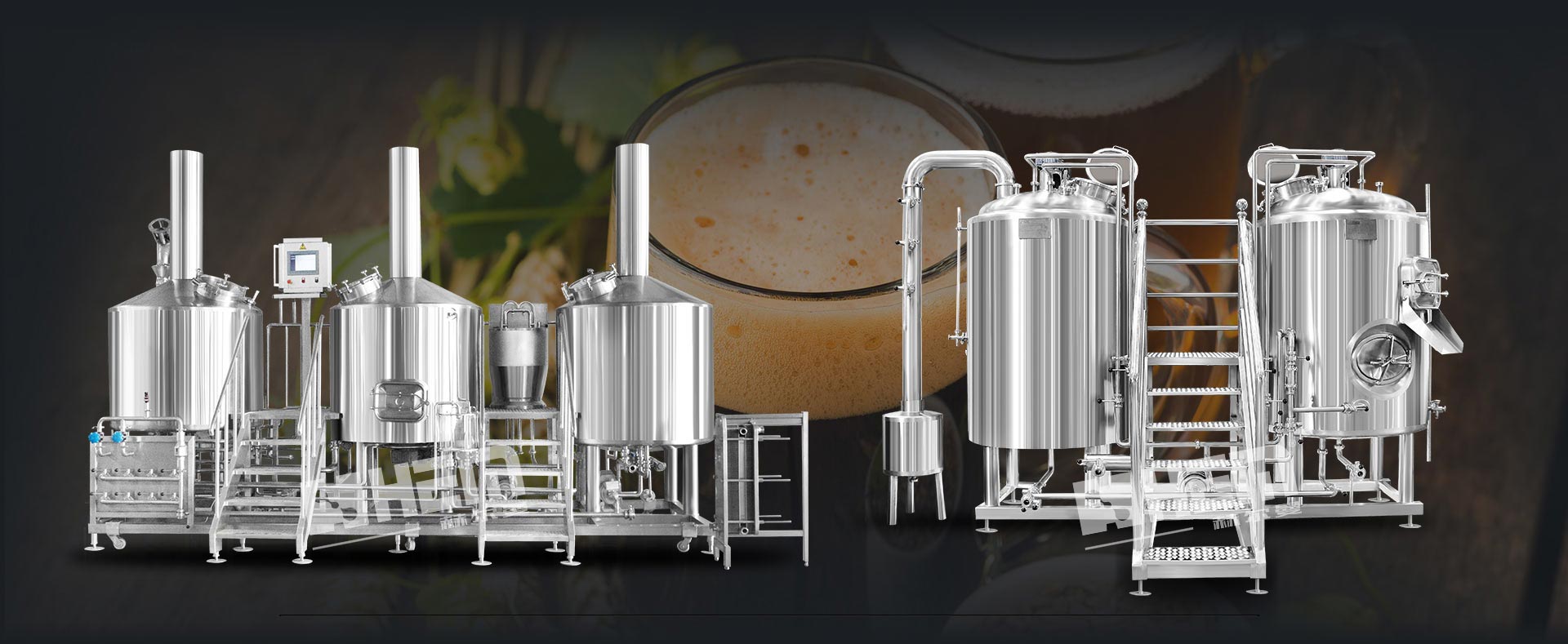
Professional craft beer equipment improves production efficiency by combining automation, precise control, and better process design. Modern brewing systems can reduce manual work by 25%–50%, shorten cleaning time by 40%–60%, and improve raw material utilization by around 5%–15%. Stainless steel brewhouses, automated temperature control, efficient fermentation tanks, and CIP cleaning systems help breweries produce more consistent beer with fewer resources. For breweries producing 1,000–10,000 liters per batch, professional equipment allows higher output without requiring a similar increase in labor or production space.
Craft beer production requires accurate control at every stage, from grain processing to fermentation. Traditional brewing setups often depend on manual adjustments, which can create differences between batches. Professional equipment uses sensors, automated valves, and digital controls to maintain stable conditions. In 2024, many commercial breweries continued upgrading to automated systems because consistent quality and faster production cycles became necessary for competing in a growing craft beer market.
“A professional brewing system allows brewers to spend more time developing recipes while equipment manages repetitive production tasks with higher accuracy.”
Temperature control is one of the most important areas where professional equipment improves efficiency. During mashing, enzymes convert starches into fermentable sugars, and even small temperature changes can influence extraction performance. Automated mash systems can maintain temperature differences within approximately ±0.5°C, while manual systems may experience larger variations depending on operator experience.
Stable temperature control improves sugar extraction, fermentation performance, and final beer consistency. A brewery producing 5,000 liters per month may reduce batch adjustments and product variation by more than 20% after installing automated temperature monitoring equipment.
The improvement in temperature management also affects fermentation efficiency. Fermentation tanks with cooling jackets, pressure controls, and digital monitoring provide yeast with stable conditions throughout the process. Compared with basic fermentation containers, professional conical fermenters simplify yeast collection, reduce contamination risks, and improve cleaning efficiency. Many breweries choose Turn-Key brewery solutions to integrate these technologies into a complete production system.
A modern fermentation system can monitor temperature changes continuously and automatically adjust cooling output. In large breweries, maintaining fermentation conditions within a narrow range can reduce production delays by several days per batch, especially for beer styles that require strict fermentation schedules.
Equipment feature Production improvement
Automated temperature control Reduces temperature variation by approximately 50% or more
Stainless steel fermentation tanks Improves sanitation and equipment lifespan
CIP cleaning system Reduces cleaning time by 40%–60%
Digital monitoring system Improves process consistency
Better fermentation control creates higher production stability, which connects directly with equipment cleaning and maintenance efficiency. Breweries lose production time when tanks require long manual cleaning procedures or frequent repairs.
Professional brewing systems commonly use clean-in-place (CIP) technology, which automatically circulates water and cleaning solutions through tanks, pipes, and valves. Manual cleaning can require several hours after each batch, while automated CIP systems can complete many cleaning cycles with less operator involvement.
A brewery operating 5 days per week may save dozens of working hours each month by using automated cleaning systems. Some commercial facilities report cleaning time reductions of 40%–60%, allowing more production cycles within the same working schedule.
“Reducing cleaning time does not only save labor hours; it also allows brewing equipment to return to production faster.”
Equipment materials also influence long-term efficiency. Most professional breweries use food-grade 304 or 316 stainless steel because it resists corrosion, supports repeated cleaning, and maintains smooth internal surfaces. Stainless steel tanks can remain in service for more than 10–20 years when properly maintained.
Smooth tank surfaces reduce residue buildup and make sanitation procedures easier. Compared with lower-quality materials, stainless steel equipment provides more stable performance during repeated heating, cooling, and cleaning cycles.
Production capacity is another area where professional equipment changes brewery operations. Integrated brewhouse systems combine mashing, lautering, boiling, and whirlpool processes into a coordinated workflow. This reduces transfer time and lowers material loss during production.
For example, a 10-barrel automated brewhouse can complete multiple brewing cycles weekly with limited staff. Larger systems above 50 barrels can support commercial breweries that require continuous production. A well-designed system can increase annual output by 30% or more without requiring the same percentage increase in employees.
Higher production capacity depends not only on tank size but also on process efficiency. Professional equipment helps breweries use raw materials more effectively. Malt, hops, water, and yeast represent major production expenses, so reducing waste improves overall operation.
Modern mash systems improve sugar extraction by controlling water temperature, mixing speed, and grain handling. Better wort recovery can increase usable liquid output by approximately 5%–10% compared with less controlled brewing methods. For breweries producing thousands of liters annually, even small efficiency improvements can reduce material consumption.
Energy use is another factor influenced by equipment design. Brewing requires large amounts of heat for mashing, boiling, and cleaning. Older systems often lose energy through inefficient heating methods and poor insulation.
Professional brewing tanks use improved insulation, steam jackets, and heat recovery technologies to reduce energy consumption. Some systems can lower energy use per brewing cycle by 15%–25% compared with basic equipment designs.
Lower energy consumption also supports more predictable operating costs. Breweries can monitor heating performance, identify inefficient processes, and adjust production settings based on real operating data.
Digital monitoring has become increasingly common in modern breweries. Sensors connected to control software collect information about temperature, pressure, fermentation progress, and equipment status.
A brewery can review production records from previous batches and adjust recipes or procedures based on measured results. In facilities with multiple fermentation tanks, digital monitoring helps operators manage several batches at the same time without checking every tank manually.
“Digital controls turn brewing data into practical information that helps breweries maintain consistent production.”
Labor efficiency improves when repetitive tasks are handled by automated equipment. Traditional brewing requires operators to manually measure ingredients, adjust temperatures, transfer liquids, and monitor fermentation conditions.
Automation reduces the number of manual steps required during production. Depending on brewery size and system design, labor requirements may decrease by 25%–50%. One operator can often manage larger production volumes when equipment performs automatic monitoring and control.
The combination of automation, sanitation improvements, energy savings, and higher production capacity makes professional brewing equipment an important investment for growing breweries. Investing in a high-quality hem brew system allows operators to optimize performance across every stage of the brewing process. Since the craft beer industry became more competitive after 2010, many breweries have adopted advanced systems to improve consistency and manage larger production volumes.
Professional equipment also supports product variety. Craft breweries often produce different beer styles, including IPA, lager, porter, stout, and seasonal releases. Flexible systems allow brewers to adjust recipes and production schedules without major equipment changes.
Programmable controls make it easier to switch between brewing profiles. A brewery can store different temperature schedules, fermentation settings, and process parameters, reducing setup time between batches.
The combination of automation, sanitation improvements, energy savings, and higher production capacity makes professional brewing equipment an important investment for growing breweries. Since the craft beer industry became more competitive after 2010, many breweries have adopted advanced systems to improve consistency and manage larger production volumes.
Professional craft beer equipment does not replace brewing knowledge. Instead, it provides more accurate tools that help brewers produce consistent beer, reduce wasted resources, and increase output. With better temperature control, efficient cleaning systems, and scalable production design, modern brewing equipment helps breweries achieve higher efficiency while maintaining the quality expected by craft beer consumers.
Considering a piece for your collection?
Studio appointments are held Tuesday through Sunday at the Carmel atelier. Documentation, provenance, and condition reports are prepared on request.